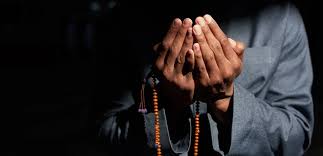
The rules of fasting during Ramadan among illnesses are a very vital aspect of Islamic instructions that spirituality is not achieved at the expense of the body.
Although fasting is a very fulfilling worship practice, Islam acknowledges the fact that it is unsafe in the case of illness and medical conditions.
On knowing the exemptions, Qada, fidya and practical tips, sick people will be able to observe Ramadan in a responsible manner and at the same time preserve faith and health.
The Concept of Who Fasts and Who Does Not Fast.
The importance of learning the rules of Ramadan fasting when people are sick is to make sure that spiritual devotion is not the reason to destroy health. The Islam religion gives specific instructions on the exemptions who can go without the fasting process giving priority to the welfare of people. Here’s a breakdown:
Temporary Illness.
In case you are experiencing a temporary illness like flu, fever or stomach infection, Islam allows you not to fast until you are well.
These fasts are obtainable (Qada) following Ramadan.
Observing the Ramadan fasting rules of sick people would mean that you first recover without guilt reasons.
Chronic or Long-Term Illness
People who have a continuous medical condition such as diabetes, heart disease or kidney problems may also be exempted in case fasting may aggravate their health condition.
In this instance, the Islamic law will permit the payment of fidya (feeding the needy) rather than fasting.
Responsible adherence to the rules of fasting during Ramadan is beneficial to the well-being of sick individuals.
Seniors with Medical Problems.
Elderly people who are not physically strong enough to fast can be absolved too.
They will be able to pay with fidya, which is in line with the Ramadan fasting regulations on ill individuals without violating their religious duties.
Pregnant and Nursing Women at Risk of Health.
Women who put their health or the life of their child in danger through fasting can be pardoned.
Qada or fidya may be done later, according to the rules of Ramadan fasting of sick individuals.
Patients With Mental or Psychological Health Problems.
Individuals with conditions that predispose them to fasting safely, including extreme anxiety or stress disorder are also under exemption.
This will make sure Ramadan fasting regulations among the ill people suit the overall well-being and not just the physical well-being.
Note: In general, it is necessary to take Islamic advice and consult a medical expert. Integrating medical counseling with the Islamic teachings makes it safe and rewarding to observe the teachings of Ramadan fasting laws on sick individuals.
Temporary/ Chronic Illness.
The main point in adhering to the rules of Ramadan fasting as applied to sick people is to understand the difference between temporary and chronic illnesses. Islam has acknowledged that not all diseases are identical and the way fasting is done may vary according to the kind of illness.
Temporary Illness
Examples: short-term injuries, digestive problems, flu, fever, or mildly serious infections.
Individuals that are temporarily ill are also given chance to forego fasting until they are well.
Fasts missed must be compensated upon (Qada) after Ramadan and this must cover both the spiritual and physical health.
Adhering to Ramadan fasting requirements among the ill persons in this regard serve to achieve harmony between the spiritual activity and the healing process without being spiritually learned.
Chronic Illness
Examples: diabetes, heart problems, kidney problems or other medical problems that are long-term in nature.
In Islam, there are exemptions of chronic diseases that might be aggravated with fasting.
People can also pay fidya (feeding the needy) in lieu of fasting in case of their inability to engage in fasts.
The practice of fasting during Ramadan among sick individuals with chronic illnesses will make the observation of faith and health equally important.
Why the Distinction Matters
Temporary illness permits Qada, and chronic illness permits fidya – knowing the difference is the key to doing what the Islam directs you to do.
Islam states that one should not starve to death as a result of fasting. The awareness of the Ramadan fasting procedures among ill individuals would enable the believers to make good choices without undermining their religious lives.
Fasting during Ramadan- Medical Exceptions.
It is not always easy to follow the rules of fasting during Ramadan as a sick individual, particularly in the process of dealing with certain medical conditions. The Islam is a guideline that can make sure that your health does not suffer, and the spiritual meaning of fasting is not neglected. The following is a list of the common conditions broken down:
Diabetes
Diabetics have to check the level of sugar in the blood closely.
Exemption Fasting may be done in case the practice will cause either hypoglycemia or hyperglycemia.
The forgone fasts can be compensated at a later time once the condition has bettered or fidya can be available in case of extreme cases.
By following the rules of Ramadan fasting of sick individuals, one makes sure that they are safe and do it in accordance with Islamic teachings.
Heart Conditions
People with heart disease must have their doctors consulted on whether to fast or not since dehydration or missed drugs may aggravate the situation.
According to Islam, the fasting ought to be exempted in case of danger to the heart or the health in general.
Adhering to Ramadan fasting regulations of ill individuals implies life and health priorities and preservation of the spiritual motives.
Pregnancy and Nursing
The exemptions are pregnant or breastfeeding women whose health or the development of the baby may be harmed by fasting.
The making up the fast is allowed to qada (doing fasts later) or fidya (feed the needy).
Knowing the rules of fasting during Ramadan when one is sick will help these women to celebrate Ramadan without violating it.
Kidney and Digestive Disorders.
Fasting can aggravate such conditions as chronic kidney disease, gastritis, or ulcers.
In the case of such circumstances, Islam allows the neglect of fasts and their compensation in the future in the form of Qada or fidya.
The observance of Ramadan fasting by sick individuals in accordance with the guidelines protects the health of the individual in the long term without jeopardizing religious obligation.
Other Chronic ailments or extreme medical risks.
Exception to fasting is permitted in cases such as cancer, auto immune or severe mental disorders.
Alternative or fidya worship is promoted.
These are the exceptions that go hand in hand with the fasting at Ramadan among the sick individuals as this is an aspect of Islam that is compassionate and wise when it comes to health.
Pro Tip: It is necessary to combine medical advice and Islamic guidance. The primary advantage of adhering to Ramadan fasting guidelines as a sick person is that you will make sure that your fasting is healthy, spiritual, and guided by your faith and health.
How to Know When Not to Fast
The most significant thing that you can do after observing the regulations of Ramadan fasting as a sick person is the ability to understand that fasting may be detrimental to your health. Islam teaches that the importance of life and well being is greater than rituals. Here are the ways of knowing when not to fast:
Enduring or Drastic Symptoms of Sickness.
When your condition is characterized by high fever, extreme flu, vomiting, diarrhea or dehydration, it is a clear indication that fasting would actually make it worse.
In such situations, Islam permits skipping of fasts, fasting regulations of sick persons during Ramadan, and compensates missed fasts (Qada) upon complete recovery.
Medical-Risk Chronic Conditions.
In case the fasting can cause harmful changes in blood sugar/pressure/heart rate, it is better to avoid.
In case of chronic diseases such as diabetes, heart diseases, or kidney issues, fidya can be an appropriate option without violating the rules of fasting during Ramadan in case of sick individuals.
Nursing Complications and Pregnancy.
Fasting may be dangerous as shown by signs of dizziness, fatigue, dehydration, or complications during pregnancy.
In such a case, women are not to be held accountable, and by learning about Ramadan fasting regulations concerning ill individuals, a mother and a child will not be in danger.
Mental or Emotional Health Issues.
Extremely high anxiety, depression, or stress which becomes exacerbated during fasting can be used as a cause to be excused.
Islam acknowledges that the mental health is a significant scope of general well-being and that sick individuals should follow Ramadan fasting rules.
Listen to Your Body
Islam proposes self-communication and making responsible decisions.
When your body tells you that fasting will be harmful, not only is it not prohibited, but even inadvisable. This is in line with Ramadan fasting provisions of the sick individuals.
Qada, Fidya Making Up Missed Fasts.
Although you may not have to fast because of sickness or medical reasons, the Islam religion gives a clear guideline on what to do in order to meet your religious obligations in the future. Knowing the rules of Ramadan fasting among ill individuals will make sure that you do not lose your love towards God without being unhealthy.
Qada (Making Up Missed Fasts)
Temporary sickness, pregnancy, or breastfeeding which stops you to fast enables you to compensate the missed fasts after the Ramadan.
It has been suggested to schedule and do Qada when you feel healthy.
In keeping with rules of the Ramadan fasting among those who are sick, Qada is a way of taking care of your spiritual duties.
Fidya (Compensation Feeding the Needy)
You can pay fidya instead because of chronic illness or conditions which permanently prevent fasting.
Fidya is about giving food or financial aid to the needy and this is a good way to complete your religious obligations.
By obeying the rules of fasting during Ramadan among sick individuals with fidya, the Islam religion shows a balance in compassion, responsibility, and piety.
Planning Your Qada and Fidya
Record the missed fasts and ask a scholar in case of doubt.
Qada or fidya should be combined with charity and prayer so as to gain maximum spiritual benefits.
The knowledge of Ramadan fasting regulations of sick individuals will help you to undertake such requirements with assurance and calm.
Advice to Sick People who want to fast.
Still, despite any illness or medical conditions, it is not only possible to adhere to Ramadan fasting regulations safely, but also in a practical way. Through heeding the call of your body and having a well-thought plan ahead, fasting could also be a spiritually satisfying experience.
Fast on the Advice of Your Doctor.
Consult a doctor always to know the effect of fasting on your body.
In the case of chronic diseases like diabetes, coronary problems or kidney disease, your physician can assist you to manage medications and timetables to eat safely.
Adhering to Ramadan fasting during sickness is one way of not jeopardizing your health in the process of fasting.
Always Drink When It is Non-Fasting Time.
Consume adequate water in between the Iftar and Suhoor meals in order to avoid dehydration.
Too much caffeine and salty food should be avoided which aggravates health problems.
Hydration will keep your body healthy and it does not go against the rules of fasting during Ramadan by people who are sick.
Adjust Your Diet
Consume healthy balanced meals that are high in protein, fiber and essential nutrients.
Do not eat too much during Iftar, and this may overburden your stomach.
Eating well complies with the Ramadan eating fasting regulations among the ill and helps in sustaining the energy during the day.
Modify Your Activities
Moderate exercise is okay though be careful not to do strenuous exercises which can aggravate your situation.
You should listen to your body and be able to rest when there is a need to and you should obey the rules of Ramadan fasting but at the same time not to waste your energy.
Monitor Your Symptoms
Monitor blood sugar, blood pressure or other health indicators.
In case your symptoms are aggravated, it is allowed to break the fast in line with the rules of fasting during Ramadan among the ill.
Seek Knowledge and Guidance
Exemptions, Qada and fidya can make you sure of your decisions in fasting.
Trick: Fasting does not necessarily have to be stressful when one is ill. With these Ramadan fasting guidelines on sick individuals, you will be still able to meet your health needs as well as your spiritual life throughout the sacred month.
For many people, understanding the full scope of Ramadan fasting rules for sick people can feel overwhelming. From exemptions and Qada to fidya and practical fasting tips, navigating these rules requires reliable guidance. This is where Taeerqul Jannah courses come in.
Taeerqul Jannah offers structured courses covering fasting, exemptions, and health-related rulings.
You’ll learn how to follow Ramadan fasting rules for sick people correctly while respecting your health and spiritual duties.
You’ll gain confidence in applying the rules safely, avoiding common mistakes, and maximizing spiritual rewards.
Conclusion
Following Ramadan fasting rules for sick people allows you to balance your health with your spiritual obligations. Whether it’s taking exemptions, making up missed fasts, or paying fidya, Islam provides a compassionate framework for every situation. Enhance your understanding and confidence by enrolling in Taeerqul Jannah courses learn to fast safely, fulfill your duties, and make this Ramadan truly meaningful.